

Australia Launches AU$1.43 Million Initiative to Develop National EV Charging Roadmap
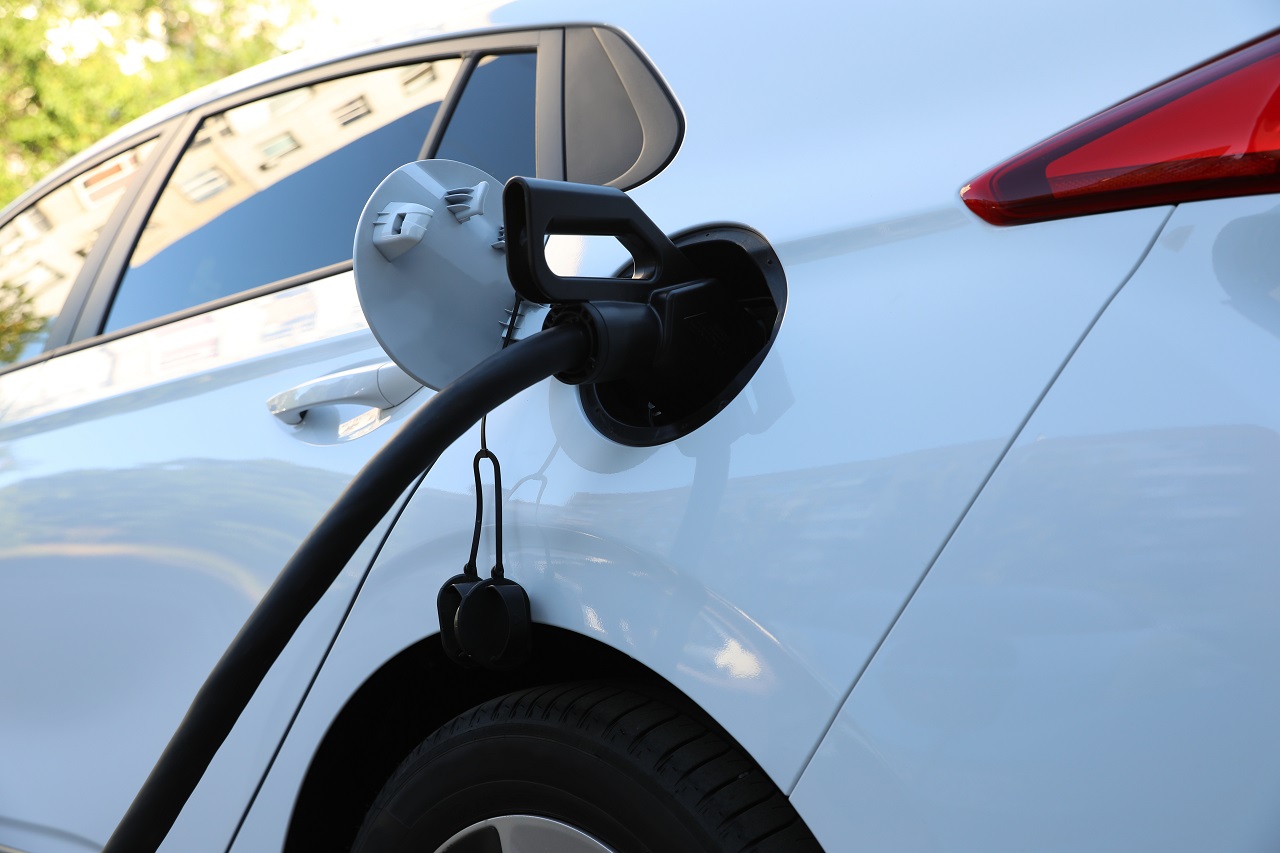
Australia is preparing a national strategy to guide the expansion of its electric vehicle charging network as EV adoption increases and demand for charging infrastructure continues to evolve. The Electric Vehicle Council (EVC) will oversee the AU$1.43 million initiative, supported by AU$1.06 million from the Australian Renewable Energy Agency (ARENA) through its Driving the Nation Program. The remaining investment will be provided by the EVC and participating organisations.
The project aims to establish a coordinated approach to infrastructure development, helping governments, energy providers and industry stakeholders determine where additional charging capacity will be required and how investment should be prioritised.
Planning Charging Infrastructure for Future Demand
Rather than focusing solely on increasing the number of charging stations, the National EV Charging Roadmap will examine how infrastructure can be developed to meet changing transport requirements across Australia.
The assessment will cover metropolitan and regional areas, incorporating the charging needs of private motorists, commercial fleets and heavy-duty electric vehicles.
A central objective is to identify potential infrastructure shortages, assess future electricity network requirements and establish priorities for investment. The findings will help align charging deployment with expected vehicle adoption and developments in the energy sector.
Vehicle manufacturers, charging network operators, electricity providers, fleet businesses and consumer organisations will contribute to the project, providing information and expertise to support long-term planning.
Improving Coordination Across Transport and Energy
One of the challenges facing Australia's charging infrastructure sector is that investment and development decisions are often made independently by organisations operating across different industries.
The roadmap will seek to address this fragmentation by establishing a common evidence base that can support infrastructure planning and investment decisions.
EVC Chief Executive Julie Delvecchio has emphasised the importance of developing charging infrastructure strategically, ensuring that future installations correspond with actual demand rather than simply expanding the network without a coordinated plan.
The project will also examine the relationship between EV charging, electricity distribution and transport infrastructure, particularly as electric trucks become more widely adopted.
Alina Dini, EVC Head of Energy, Infrastructure and Commercial and director of the roadmap project, will oversee the initiative's development, with industry consultation forming an important part of the process.
The resulting document is intended to provide a flexible planning framework that can accommodate changes in charging technology, consumer behaviour and the pace of vehicle electrification.
EV Adoption Continues to Accelerate
The initiative comes amid significant growth in Australia's electric vehicle market.
According to the EVC's State of EVs 2026 report, Australians purchased 157,957 electric and plug-in hybrid vehicles during the first six months of 2026. Of these, 103,716 were battery electric vehicles, while 54,241 were plug-in hybrids. Combined sales increased by 117% compared with the corresponding period in 2025.
This expansion is creating additional demand for accessible and reliable charging facilities, while the electrification of commercial transport introduces further requirements for high-capacity charging infrastructure.
ARENA has also supported projects targeting heavy-vehicle electrification. In March 2026, the agency committed AU$25.3 million to NewVolt's shared electric truck charging network, supporting three publicly accessible charging hubs along major freight routes in Melbourne.
Roadmap Expected in 2027
The National EV Charging Roadmap is scheduled for publication in mid-2027 and will outline infrastructure priorities and potential development requirements through 2035.
Its findings are expected to support more informed decisions about charging locations, electricity network capacity and opportunities for cooperation between public authorities and private investors.
By bringing together stakeholders from across the transport and energy sectors, the initiative aims to establish a more consistent approach to EV charging development as Australia prepares for a substantially larger electric vehicle fleet.
















Comments
There are no comments yet for this item
Join the discussion