

BG Drives: Radar vs. Induction Loops — A Smart Approach to Vehicle Detection
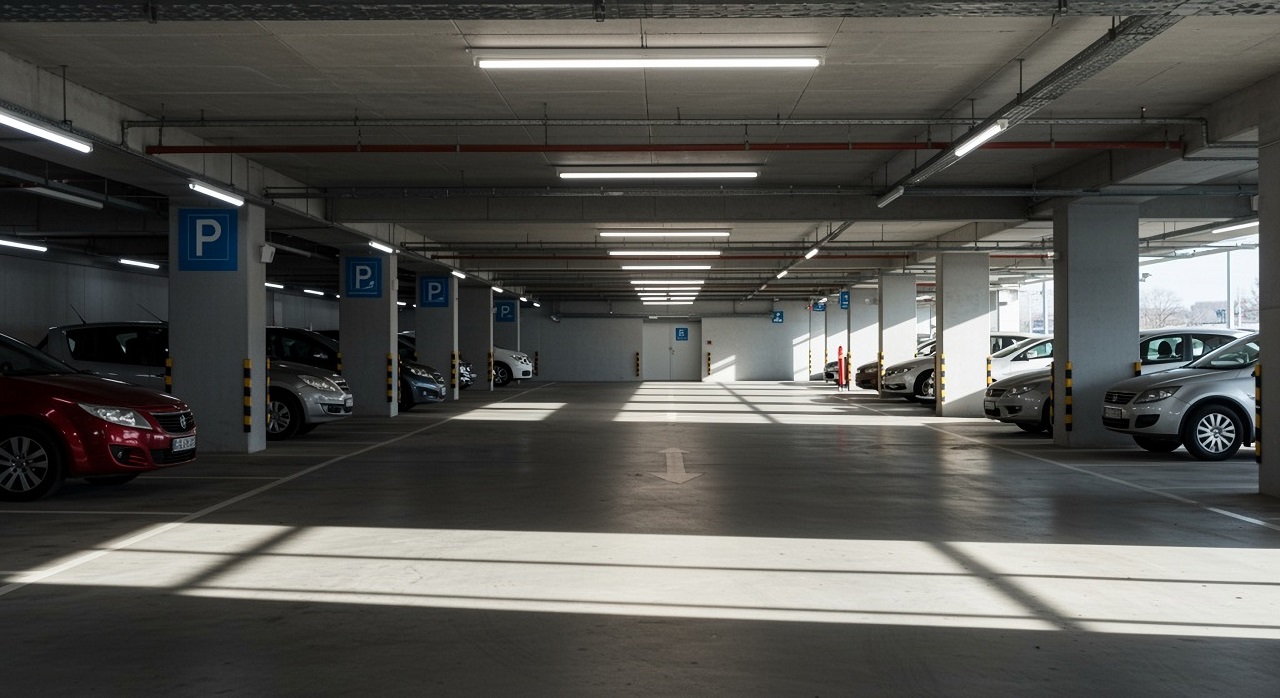
Reliable vehicle detection is essential for the smooth operation of parking facilities. Whether managing access to a multi-storey car park, a commercial parking area or an industrial site, barrier systems need to accurately detect approaching and stationary vehicles to ensure safe and efficient traffic flow.
For decades, induction loops have been the standard solution for vehicle detection. However, radar-based technology is increasingly offering a practical alternative, particularly for installations where flexibility, easy maintenance and minimal disruption are important.
Induction Loops: Proven Technology with Installation Challenges
Induction loops detect vehicles through changes in an electromagnetic field generated by wires embedded in the road surface. They are widely used in parking and access control systems and provide reliable detection when properly installed and maintained.
However, their installation requires cutting into the pavement, laying cables and sealing the road surface. This can be time-consuming and costly, particularly when upgrading existing parking facilities or working in areas where access cannot easily be interrupted. Repairs or changes to the detection area may also require additional roadwork. Once installed, the position and shape of the detection loop are fixed, making adjustments more difficult.
Radar Sensors: Flexible Detection Without Ground Work
BG Drives' radar sensors use Frequency-Modulated Continuous Wave (FMCW) technology to detect both moving and stationary objects. The sensors can distinguish between vehicles and pedestrians, helping to prevent unwanted barrier activation and reduce collision risks.
Unlike induction loops, which primarily detect metal objects such as vehicles, radar sensors can also detect pedestrians within the barrier's detection area. Conventional induction loop installations therefore often require additional safety devices, such as photoelectric sensors (light barriers), to protect pedestrians. BG Drives' radar sensors combine vehicle detection and pedestrian protection in one system, eliminating the need for separate light barriers in suitable installations.
Practical Advantages for Parking Operators
For parking operators, the choice of detection technology can affect installation costs, maintenance requirements and the flexibility of the entire access system.
Radar-based detection offers several practical benefits:
- No ground work required: Installation without cutting into existing pavement
- Flexible detection areas: Virtual loops can be configured and adjusted via mobile app
- Integrated pedestrian protection: Detects vehicles and pedestrians, reducing the need for additional safety devices such as light barriers.
- Reliable outdoor operation: Designed to function under varying weather conditions
- Straightforward integration: Can be connected directly to compatible barrier control systems
These advantages are particularly relevant for existing parking facilities, where replacing damaged induction loops or installing additional detection areas would otherwise require modifications to the roadway.
Choosing the Right Solution
Induction loops remain a reliable and widely used technology, particularly in installations where detection requirements are fixed and the necessary infrastructure is already in place.
Radar sensors, however, provide greater flexibility when installing new systems or upgrading existing access points. By eliminating ground work and allowing detection areas to be configured digitally, they offer a practical approach to modern vehicle detection.
BG Drives offers radar-based detection solutions for parking and access control applications, combining contactless vehicle detection with straightforward installation and flexible configuration.
For more information about BG Drives' radar sensors and access control solutions, visit www.bg-drives.com.
 About BG Drives
BG Drives in Germany develops and manufactures high-quality systems for the efficient, economical and fast control of access by persons and vehicles.
Our team has been engaged for over 25 years in the production of access control systems for pedestrians and road vehicles. The area of barrier and gate drive units and their control circuitry represents a particular core competence of our specialists.











Comments
There are no comments yet for this item
Join the discussion