

Birmingham Airport Unveils £2 Billion Development Plan to Accommodate 30 Million Passengers
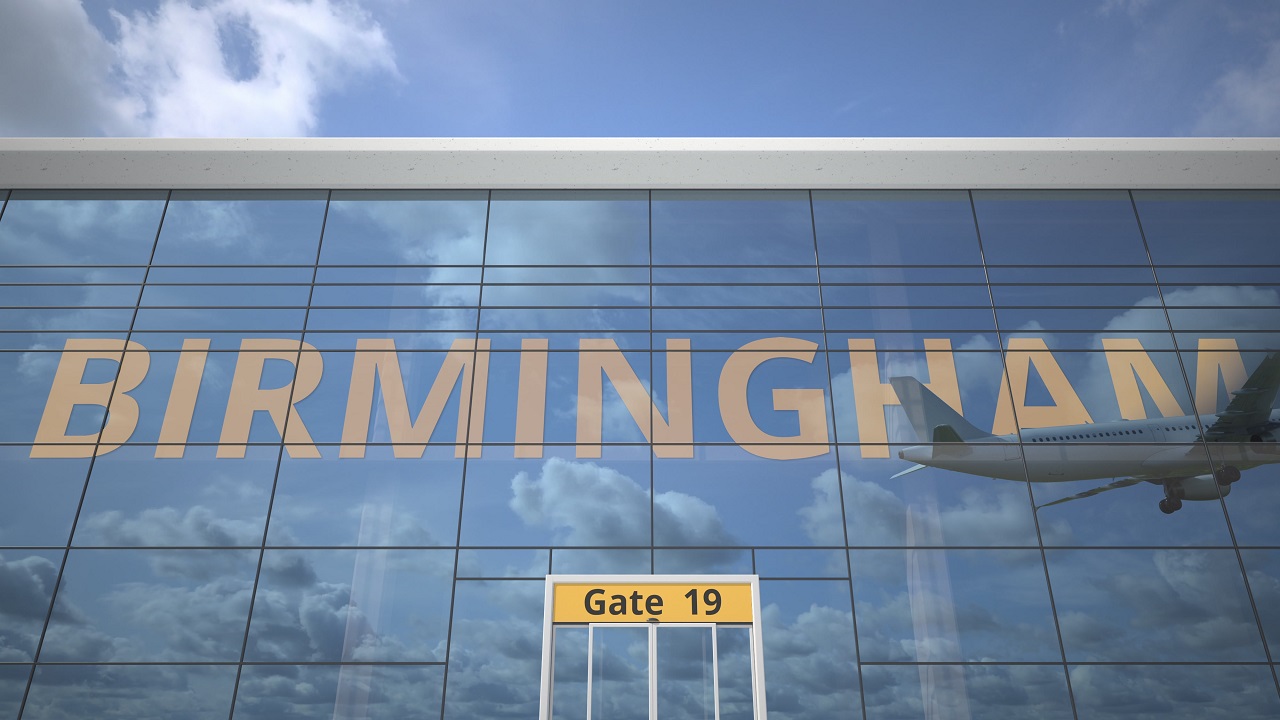
Birmingham Airport has outlined plans for a major transformation of its infrastructure, proposing an investment of approximately £2 billion to support future passenger growth. The draft Master Plan, released on 8 October 2026, sets out a development strategy extending to 2041, with the ambition of accommodating around 30 million passengers annually.
Rather than constructing a new runway, the airport intends to increase capacity by making more efficient use of its existing infrastructure while modernising facilities and improving connections to the surrounding transport network.
The proposed expansion is also expected to contribute significantly to the regional economy. Airport estimates suggest that the programme could generate an additional £3.6 billion in gross value added for the West Midlands and support more than 50,000 jobs, including approximately 3,800 positions based at the airport.
Infrastructure Improvements Could Begin in 2027
Initial construction activities could commence as early as 2027, subject to the development of the final plans and investment decisions.
The first projects would focus on strengthening the airport's operational capacity and preparing its facilities for increased passenger volumes. Planned improvements include modernising baggage handling infrastructure, expanding and reorganising aircraft parking stands, upgrading terminal facilities and enhancing access to the airport.
Improving surface transport connections forms another important element of the strategy, with the airport seeking to accommodate higher passenger numbers while supporting more efficient journeys to and from its facilities.
These developments are intended to create additional capacity without requiring a new runway, allowing Birmingham Airport to build on its existing aviation infrastructure.
Long-Term Investment Depends on Economic Conditions
Although the airport has presented an ambitious development programme, its implementation will depend partly on the financial and regulatory conditions affecting major infrastructure investments.
Birmingham Airport Chief Executive Nick Barton has highlighted the importance of a predictable taxation framework to encourage long-term investment. The airport is facing rising expenditure associated with employment, energy and taxation, while increases in business rates have added further financial pressure.
Given the scale of the proposed programme and its 15-year timeframe, the airport has emphasised that stable operating conditions will be essential to securing the investment required.
The development strategy also incorporates environmental considerations, with the airport aiming to balance increased aviation activity with its sustainability responsibilities and the interests of neighbouring communities.
Public Consultation to Shape Final Development Plans
Before finalising its Master Plan, Birmingham Airport is inviting residents, businesses and other stakeholders to provide feedback on the proposals.
An eight-week consultation process will include 20 public engagement events, beginning on 16 October 2026 in Hampton-in-Arden. Participants will also have opportunities to submit their views through other consultation channels.
The feedback will be assessed to identify concerns, recommendations and priorities that could influence the airport's future development.
A consultation report is scheduled for publication in 2027, explaining how stakeholder contributions have been considered and incorporated into the final Master Plan and subsequent investment decisions.
The £2 billion programme remains a proposal at this stage. Its final scope and delivery will depend on the outcome of the consultation and future funding commitments.
















Comments
There are no comments yet for this item
Join the discussion