

HUB: Why the Future of Parking Is About the Performance of the Entire Asset
Upgrade Once. Scale Forward.
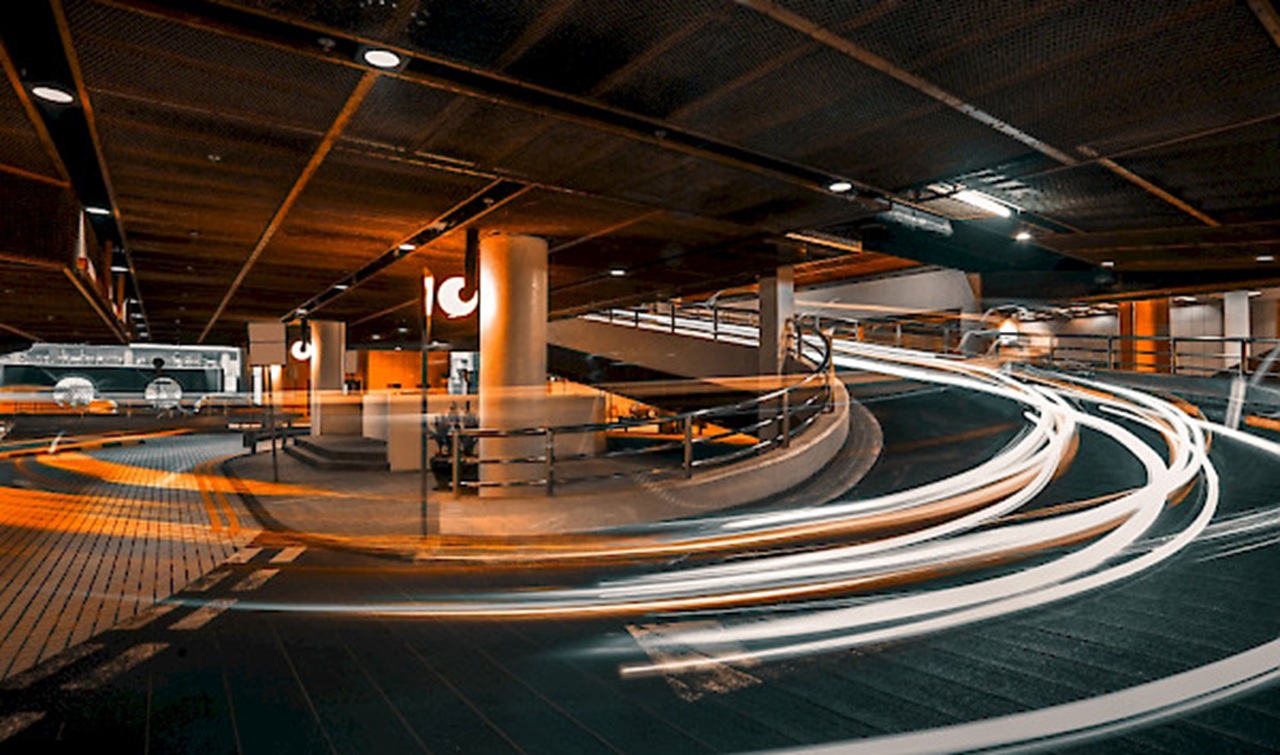
Ticketless parking can make an arrival easier. A successful operation carries that experience through the entire visit: finding the right space, receiving the right rate, applying a validation, and leaving without confusion. Behind each journey, an operator manages capacity, supports customers, reconciles revenue, and prepares for tomorrow’s demand. An asset owner needs those activities to contribute to a stronger business.
That is the next opportunity for our industry: connecting the parker, the operator, and the asset owner through one central ecosystem. At HUB, our platform brings together the equipment, software, digital services, and integrated partner capabilities needed to support that operation. The value is in what we enable customers to accomplish across the entire journey.
License plate recognition, digital credentials, and mobile payments become more valuable when connected with reservations, customer accounts, guidance, and business intelligence. An investment at the entrance can then improve the performance of the entire property.
One platform. A connected ecosystem.
With Janus Management System at its core, the HUB platform connects Jupiter equipment, our digital portfolio, and specialist partner solutions. Customers can build the operation they need through HUB, with technologies selected and integrated around their objectives. Our role is to bring those capabilities together, align the workflows, and support the customer from implementation through ongoing service and expansion.
Different assets, different definitions of success
An airport, hotel, hospital, and mixed-use property may use similar access and payment technologies. Their customers, constraints, and measures of success differ. A shared platform must accommodate those differences while making it easier to introduce new capabilities.
At an airport, the operation extends well beyond a garage entrance. Reservations, drive-up parking, employee access, commercial vehicles, shuttle services, and curb activity all influence the passenger journey. Ground transportation management systems (GTMS) can identify authorized vehicles, apply access and charging rules, and support dispatch and oversight. Coordinating those functions with parking and wayfinding gives operators a more complete picture of how people and vehicles move through the airport.
HUB’s published work at Hartsfield-Jackson Atlanta International Airport illustrates the connection between parking and ground transportation management. Our LAX Economy Parking case demonstrates the value of connecting reservations, parking management, and guidance. Both show why the relationships between systems matter to the operation.
For airport owners, visibility into booking pace, arrival patterns, length of stay, and available inventory can support decisions about premium spaces, advance-purchase products, and capacity allocation. Connecting those commercial decisions with the operation helps the airport prepare for demand across its parking products.
In hospitality, parking is part of the welcome. A guest arriving for a weekend stay, a restaurant customer, and an event attendee may enter through the same driveway but need different entitlements and service. Guest passes, property-management integrations, online validation, and appropriate reentry privileges help align parking with the purpose of the visit.
Consider a hotel guest who reserves parking through the property’s branded experience, arrives using a registered plate, receives the parking benefit associated with the stay, and requests a valet vehicle at departure. The concierge can coordinate the departure and bell service while the operation connects the relevant access, validation, and revenue records. Through HUB, a property can design that journey by bringing together J4H guest parking, J4M online validation, property-management connections, and integrated valet, bell, and concierge solutions.
Healthcare and education bring another set of priorities. A patient arriving for an appointment needs clear directions, accessible payment options, and help when something goes wrong. A university must serve students, employees, visitors, contractors, and event traffic, often with different permissions throughout the day. Departmental validations, account-based access, and clear wayfinding can simplify those journeys while giving administrators control over eligibility and cost. The objective is reliable access to the institution, with rules that reflect the people it serves.
In municipalities, parking is part of a wider public-space decision. Off-street availability, deliveries, passenger pickup, transit access, and curb restrictions affect one another. Through the HUB platform and connected mobility, curb-management, and enforcement solutions, authorities can build an operation that directs demand, manages access, and supports local policy. The opportunity is to make the garage, the street, and the curb work together as part of the city’s transportation network.
For retail, office, residential, entertainment, and mixed-use properties, the opportunity often lies in serving different users at different times. Office demand may ease as restaurant and evening activity grows. Tenant allocations, merchant validations, event reservations, and public parking can share capacity under the owner’s rules. The platform should make that capacity easier to manage and sell.
Connect the journey beyond the gate
Guidance and digital signage turn information into decisions. Drivers need to know which entrance, level, zone, or space to use before reaching the decision point. The detail depends on the installed counting and sensor infrastructure. Signs, reservation products, and access rules must remain aligned, particularly when spaces are reserved, restricted, or temporarily unavailable.
EV charging belongs in that same ecosystem. Through integrated charging solutions, HUB can connect parking access, payment, and account management with the charging experience. A driver should understand where to charge and what the visit will cost. An operator needs visibility into space use, charging activity, and the commercial rules that govern both. Connecting those services helps owners develop an EV offering that fits the property and its customers.
Online validation deserves the same commercial attention. It connects the parking visit to a hotel stay, medical appointment, restaurant purchase, employer, or tenant. With appropriate permissions, reporting, and merchant billing, validation becomes a manageable business relationship. Operators can understand who authorized a benefit, how it was used, and who is responsible for its cost.
From reporting yesterday to planning tomorrow
Connected operations should help operators anticipate what comes next. Historical transactions, live occupancy, reservations, expected departures, and local events can inform forecasts of demand and resource needs. Those forecasts can help teams plan staffing, allocate products, prepare for peaks, and identify capacity constraints before customers encounter them.
Revenue and yield management build on that understanding. They involve price, availability, booking lead time, length of stay, and the balance among customer groups. Accepting a long-stay reservation today changes the inventory available for future arrivals. A discounted offer may fill otherwise unused capacity, or it may displace demand that would have arrived anyway. Better decisions require visibility into those tradeoffs.
Through HUB, operators can bring revenue-management and analytics capabilities into the same ecosystem as drive-up parking, reservations, premium products, and subscriptions. A fuller garage is only one measure of success. The stronger test is whether the operation generates better net revenue, uses capacity more productively, reduces administrative work, and gives customers a reason to return. Those results should be measured against the owner’s objectives.
Self-service that strengthens the customer relationship
JPass and HUB’s self-service and account-management capabilities bring the parker into the ecosystem. Customers can manage parking plans through mobile or web experiences, while business accounts allow organizations to administer employee and fleet parking. Putting routine transactions into customers’ hands reduces administrative work and makes service available beyond the hours of a staffed office.
White-label experiences extend that value under the customer’s own brand. An airport, operator, hotel, or property group can build a recognizable digital relationship with its parkers, supported by HUB technology. Reservations, subscriptions, pay-as-you-go programs, and account services can be configured around the needs of the operation. The relationship continues beyond an individual transaction, creating opportunities for repeat visits, relevant offers, and a more consistent experience across participating locations.
Those relationships extend to tenants, employers, fleets, residents, and other groups. A company can administer its parking users within an approved allocation. A property group can establish customer programs across participating locations. Owners retain control over brand, inventory, permissions, and the authorized use of customer data, while operators gain visibility into the accounts and activity they manage.
Central oversight. Local control.
Scaling across a portfolio requires visibility at both levels. An owner needs to compare performance, identify exceptions, and coordinate support across properties. Each location still needs its own rates, customer groups, permissions, branding, and operating rules. HUB’s platform supports centralized management while preserving those distinctions. A shared command-center approach can help teams act on portfolio-wide information without imposing identical operations on every asset.
The configuration should fit the operation. Gated, ticketless, free-flow, and hybrid models can coexist across a portfolio. A facility can introduce J4Pay mobile payments or JPass self-service accounts, expand into reservations and revenue management, and connect additional services as its needs evolve. Convenient alternatives and human assistance remain part of a complete customer experience.
Modernization starts with understanding the existing equipment, software, interfaces, and workflows. Some investments can be retained; others will need renewal. Verifying compatibility and sequencing changes around operating priorities protects continuity. Each subsequent addition should build on that work.
Resilience belongs in the design from the beginning. Plates will occasionally be misread, reservations will need correction, and networks will sometimes become unavailable. Local continuity, recovery procedures, remote assistance, and trained support teams determine how those exceptions affect customers and revenue. Security and financial reconciliation must extend across the connected services.
A partnership that continues after go-live
Implementation is the beginning of the relationship. HUB’s project delivery, training, preventive maintenance, technical support, and local service capabilities help customers sustain the operation after installation. As usage patterns and business needs change, that relationship should also support performance reviews, adjustments, and the adoption of new capabilities. Clear support responsibilities across the solution give the customer a dependable path to resolution and improvement.
Upgrade Once. Scale Forward.
For me, this philosophy means choosing a foundation that can carry the operation forward. Customers should be able to address today’s priorities and add services, sites, and commercial opportunities as their business evolves. Planned maintenance, software development, and equipment renewal keep that foundation relevant.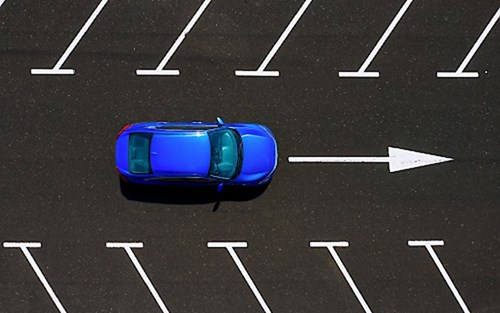
Success is an airport that anticipates demand, a hotel that makes arrival and departure part of its welcome, and a hospital that helps patients reach care with less uncertainty. It is a property owner gaining better control of capacity, revenue, and customer relationships.
Through HUB, those outcomes come together in one central ecosystem, shaped around the customer’s operation, brand, and business objectives. The next upgrade should improve the business today and make its next opportunity easier to pursue. That is what it means to Upgrade Once. Scale Forward.
About HUB Parking Technology
HUB Parking Technology is the brand of FAAC Technologies that develops, manufactures, installs, and provides after-sales services for Parking Access and Revenue Control Systems. HUB controls all product phases from design to code writing, to distribution, installation, and post-installation support through an extensive network of company branches and value-added partners worldwide.
HUB product range, Jupiter, is designed for long term performance, to future-proof the operators and owners’ investments: thanks to scalable features and enhanced serviceability, it streamlines the parking experience for users while providing a profitable and easy to manage solution to operators. HUB software allows PARCS management 24/7 from anywhere, through a multi-tenant cloud and/or on-premises architecture. Consumer mobile apps for reservation and operator apps for validation complete the system range with solutions catering to transient and contract parkers. Visit www.hubparking.com to learn more.










Comments
There are no comments yet for this item
Join the discussion