

Philippines Moves to Expand EV Charging Through Parking Requirements
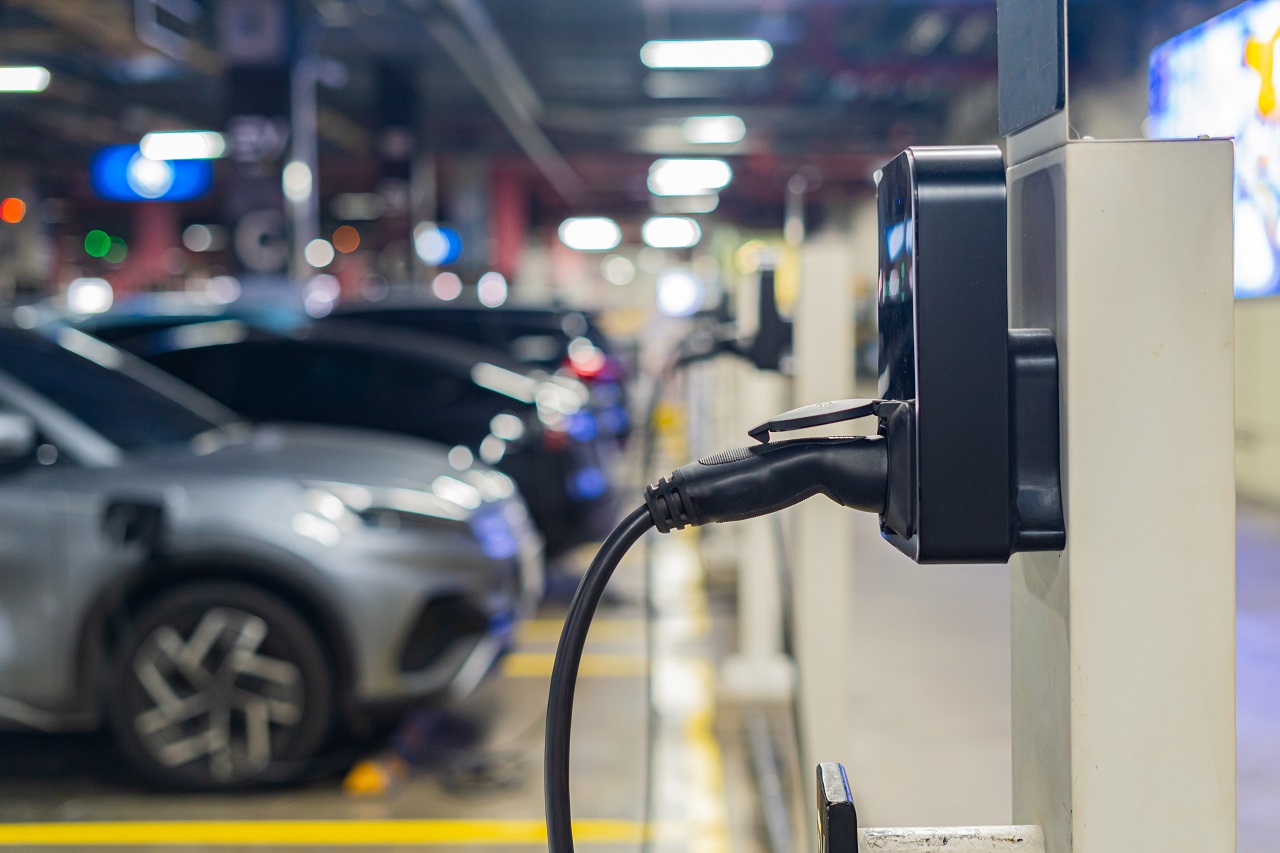
The Philippines’ Department of Energy (DOE) is preparing a circular that will require building owners to allocate part of their parking capacity to electric vehicle charging.
The measure is based on Section 17 of the Electric Vehicle Industry Act. Under the law, public and private buildings with at least 20 parking spaces must reserve 5% of those spaces for EV charging stations.
The DOE said the upcoming circular will provide more detailed guidance on how charging infrastructure should be installed, taking into account the different technical conditions that can exist across buildings.
Patrick Aquino, director of the DOE’s Energy Utilization Management Bureau, said: “We haven’t issued the circular yet because we have a lot of technical considerations,” he added “For example, in condominiums, like what (DOE) Secretary Sharon (Garin) has mentioned, she’s having a hard time because we have considerations when the building is old. So, the circular contains provisions for these kinds of conditions so our countrymen can have access to charging,”
The country currently has around 1,600 registered EV charging stations, with most of them located in Luzon. The DOE is aiming to increase the total to 7,000 charging stations by the end of 2028.
Expanding charging availability could also play an important role in encouraging more consumers to switch to electric vehicles. According to Deloitte’s 2026 Global Automotive Consumer Study, 62% of the 907 Filipinos surveyed said they still preferred an internal combustion engine vehicle for their next purchase. This was down from 68% in 2025.
The survey found that 20% preferred a hybrid vehicle, while 11% favoured a plug-in hybrid and 3% a battery-electric vehicle. Lower fuel costs, environmental considerations and the driving experience were among the main reasons cited by consumers considering an EV.
At the same time, insufficient public charging infrastructure was identified as the main factor discouraging a transition to electric vehicles. Battery replacement costs, charging times and range anxiety were also among the concerns raised.
Interestingly, parking facilities were not the preferred public charging location for most respondents. Only 9% selected parking lots, while more respondents favoured dedicated EV charging locations or conventional fuel stations equipped with chargers.
Aquino said the government is responding to these concerns and pointed to broader measures being introduced to support the EV transition.
“The President has already released the Electric Vehicle Incentive Strategy and, as Garin already mentioned, we will release the establishments where the charging stations will be installed. The government is committed that when you transition to EVs, they will be powered by renewable energy.”
The forthcoming parking requirements therefore form part of a wider effort to expand the Philippines’ charging network and make EV infrastructure more widely accessible as adoption grows.
















Comments
There are no comments yet for this item
Join the discussion