

Uber Positions Data as Key Driver for EV Charging Expansion
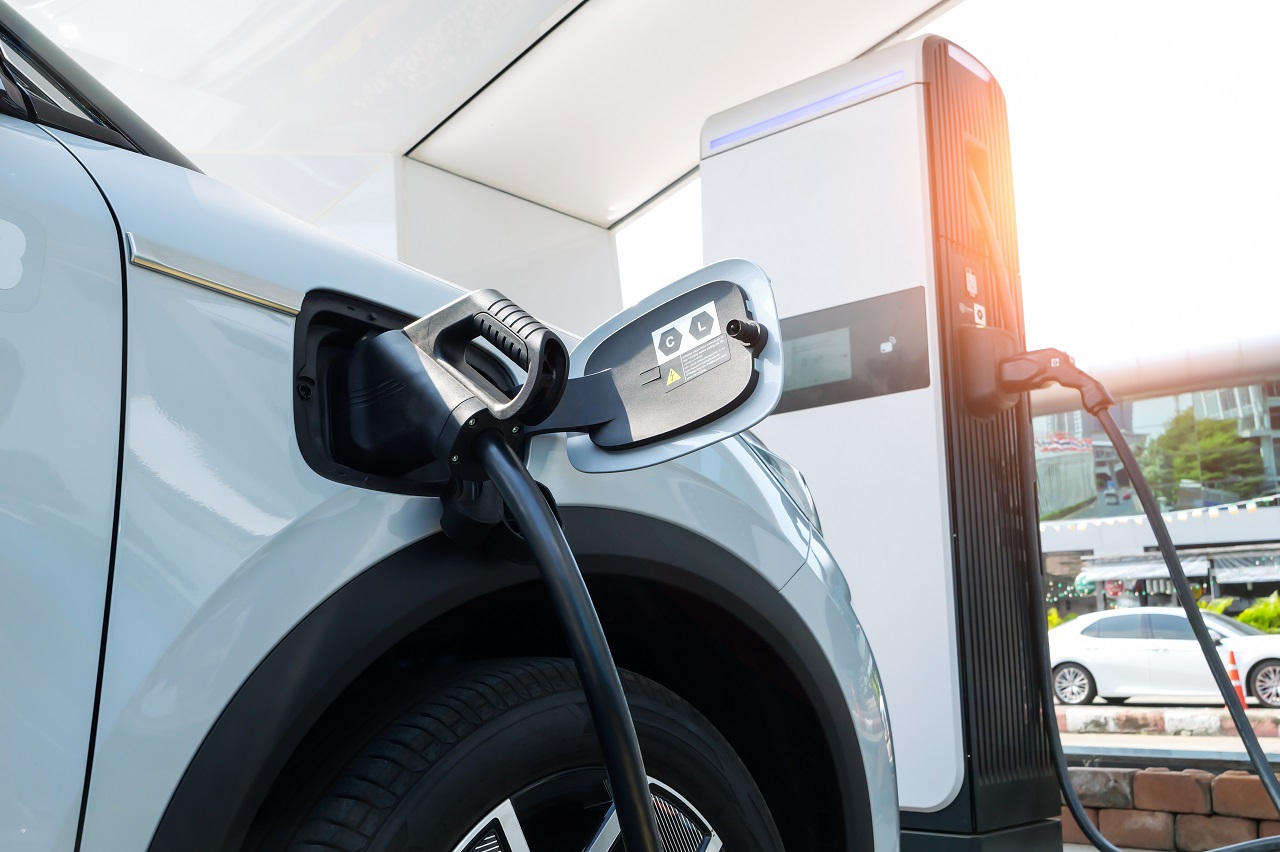
Uber is stepping up its involvement in the expansion of electric vehicle (EV) charging infrastructure, using its extensive trip data and global network to influence where and how new charging stations are deployed.
As public fast-charging networks continue to expand, the company is taking a more strategic role in aligning charging availability with real-world driver demand. This shift comes as Uber simultaneously advances partnerships in autonomous mobility, many of which rely heavily on electric vehicles that require consistent and efficient charging access.
To support both future robotaxi fleets and its growing base of EV-driving partners, Uber is working to accelerate the rollout of fast-charging stations. The company is collaborating with established charging operators such as EVgo in the United States and Ionity in Europe, focusing on high-traffic areas where demand is strongest.
A central component of Uber’s strategy is its ability to analyze large volumes of trip data. This allows the company to identify optimal locations for new infrastructure, helping address a long-standing industry challenge: ensuring that charging supply matches real-time usage patterns. By reducing wait times and improving accessibility, this data-driven approach aims to make EV adoption more practical for high-mileage drivers.
Earlier this year, Uber committed $100 million toward the development of public fast-charging infrastructure. In addition to financial backing, the company is offering utilization guarantees to charging providers - an important factor given the high upfront costs associated with building fast-charging stations. These guarantees are designed to support consistent usage levels and improve project viability.
Charging availability has become a growing concern among Uber drivers, in some cases surpassing vehicle cost as a primary barrier to EV adoption. This is particularly evident in dense urban markets such as New York City, where regulatory incentives have accelerated the shift to electric ride-hailing vehicles without a proportional increase in charging capacity. Despite ongoing infrastructure additions, congestion at charging sites remains a challenge.
To help mitigate this, Uber has introduced new in-app features that guide drivers to nearby charging stations and provide visibility into queue lengths, enabling more efficient trip planning and reduced downtime.
At the same time, Uber faces increasing competition in both the mobility and charging ecosystems. Companies like Waymo are expanding autonomous ride services across multiple cities, while Tesla continues to develop an integrated model combining vehicles, charging infrastructure, and ride-hailing capabilities within its own ecosystem.
Unlike vertically integrated competitors, Uber operates a platform-based model that relies on partnerships. While this limits direct control over hardware and infrastructure, it enables broader scalability across markets.
Despite uncertainties surrounding the long-term trajectory of autonomous vehicles, investment in EV charging is viewed as a more immediate and lower-risk priority. Demand from drivers is already established, and charging technology continues to improve in terms of speed, reliability, and user experience. New stations increasingly incorporate amenities such as retail services, restrooms, and connectivity features.
Uber maintains that electrification, automation, and digital integration will define the future of mobility, with charging infrastructure playing a critical supporting role in that transition.
















Comments
There are no comments yet for this item
Join the discussion