

Autopay: How KEF Airport Transformed Parking Operations with Barrier-Free ANPR Technology
A case study on how Isavia modernised their airport parking through free-flow operations, improved customer experience and data-driven parking management
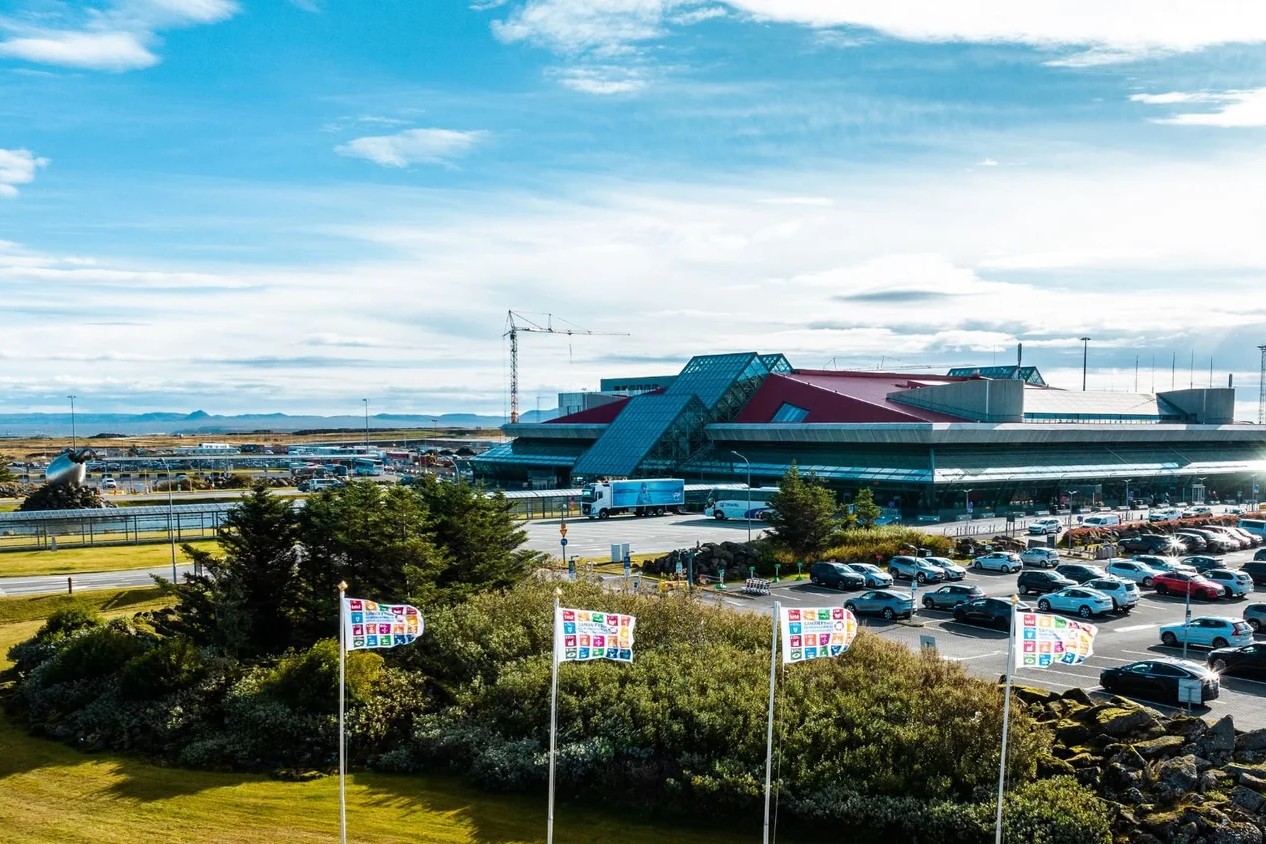
Airport parking is one of the most operationally complex forms of parking management.
At Keflavík International Airport (KEF), thousands of passengers, taxis, buses, rental cars and staff vehicles move through the parking areas every single day. During peak travel periods, even small operational bottlenecks can quickly create queues, frustration and pressure on both infrastructure and staff.
For years, KEF relied on a traditional barrier and ticket-based parking setup. While functional, the system increasingly created operational challenges and customer friction in a fast-growing airport environment.
In 2023, Isavia decided to modernize its parking operation with an ANPR-based parking management system powered by Autopay, enabling a more seamless and efficient parking experience while retaining barriers where operationally required.
The goal was not simply to replace hardware.
It was to create a smoother, more scalable and more data-driven parking operation.
 “The goal was not simply to replace barriers. We wanted to create a more scalable parking operation that could improve the customer journey while giving us better data and greater operational flexibility” says Gunnar Ingi Hafsteinsson, Department Manager, KEF Parking.
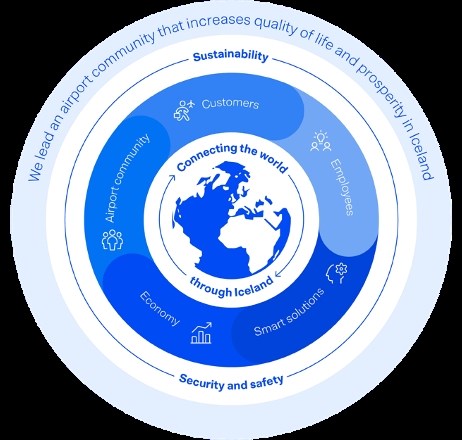 About Isavia and KEF Airport
Isavia is responsible for the operation and development of Keflavík International Airport, as well as all public airports across Iceland. This includes 12 operational airports and three international airports across the country.
Although fully state-owned, Isavia operates as a self-financing entity.
In 2025 alone:
- Almost 9 million passengers travelled through Isavia airports
- Almost 200,000 flights passed through the Reykjavik Oceanic Control Area
- Investment activity continued to accelerate across airport infrastructure
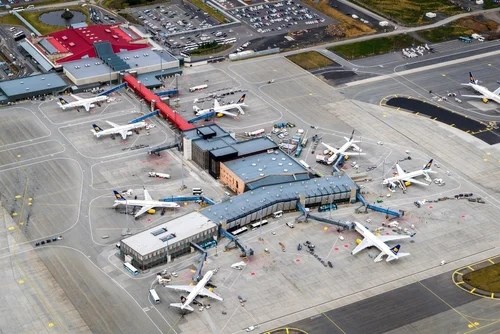
Parking operations at KEF Airport include more than 4,000 parking spaces across multiple parking products and operational flows, including:
- Comfort parking
- Standard parking
- Passenger pick-up
- Kiss & Goodbye
- Premium parking (drop & go service)
- Staff parking
- Taxi and bus operations
- Rental car parking
Managing these flows efficiently is critical for both airport operations and customer experience.
The Challenge Before Free-Flow Parking
Before introducing ANPR and free-flow parking, KEF Airport faced several operational challenges linked to its traditional barrier-based parking system.
Queues at entry and exit gates were common during busy travel periods. Customers frequently experienced issues with QR-code scanning, ticket handling and payment processes. The airport also relied heavily on on-site staff to assist customers when hardware failed or scanners did not work properly.
Weather conditions added additional complexity. Strong wind, snow, rain and harsh Icelandic conditions regularly impacted hardware reliability and created operational disruptions.
At the same time, customer expectations were changing. Passengers increasingly expected seamless digital experiences similar to what they encountered across airlines, booking platforms and mobility services.
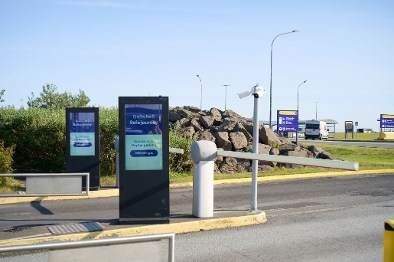 Survey feedback highlighted growing frustration among customers:
- “The scanner works very poorly, and it’s hard to find.”
- “Many people had difficulty scanning the ticket on their phone.”
- “It wasn’t possible to scan the QR code either when entering the lot or when exiting again.”
- “We always end up having to take a ticket after calling for assistance.”
The Department Manager explaines:
“The limitations went beyond customer inconvenience. A barrier-based setup meant that operational issues often required immediate intervention at entry and exit points, creating pressure on both our infrastructure and our staff.”
Choosing a Future-Ready Parking Platform
In January 2023, Isavia completed the tender process for a new parking management system. The airport selected Autopay Technologies’s ANPR-based free-flow parking platform. The decision was based on more than simply replacing barriers and scanners.
 Isavia wanted a long-term parking management platform capable of supporting:
- Scalable airport operations
- Improved customer experience
- Flexible payment options
- Digital operational control
- More efficient parking operations
- Future integrations and automation
The system became fully operational in July 2023.
As part of the rollout, entry and exit points were simplified and reduced from three to two, helping improve traffic flow and operational efficiency. The solution was also expanded to additional domestic airports, including RKV, AEY and EGS.
From Hardware Dependency to Digital Operations
One of the largest operational improvements came from removing dependency on physical gate infrastructure and manual handling. With free-flow parking, customers can now drive in and out seamlessly without tickets, QR scanning or stopping at barriers.
The new setup introduced a more flexible and fully digital parking operation, including:
- ANPR-based automatic entry and exit
- Automatic and digital payment options
- Pre-booking capabilities
- Digital permit and access management
- Improved operational monitoring and reporting
- Integrations with existing airport systems and workflows
“The move also changed how traffic could be handled physically. Under the previous barrier-based setup, KEF relied on three entry and three exit lanes across P1, P2 and P3. With vehicles no longer required to stop for ticket collection, payment validation or barriers, traffic could move more efficiently through the parking facilities” continues Gunnar Ingi Hafsteinsson.
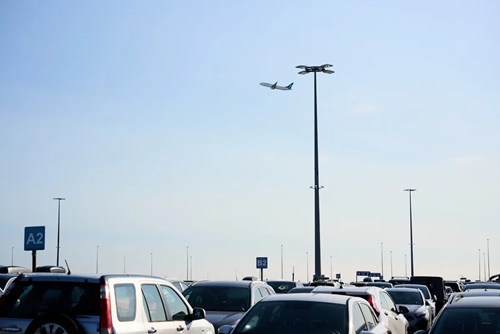
This allowed KEF to reduce the number of entry and exit lanes from three to two while maintaining operational capacity and improving traffic flow.
The platform also enabled a more connected operational setup through Autopay’s API ecosystem, including integrations related to staff parking, HR systems, rental car operations and internal workflows. The operational impact was significant.
KEF Parking was able to:
- Close the 24/7 parking service desk
- Reduce support hours
- Eliminate paper-based processes
- Reduce maintenance linked to physical gate hardware
- Improve operational oversight through digital tracking and reporting
“Replacing tickets, access cards and other physical credentials with vehicle-based identification also gave Isavia access to richer and more reliable operational data. This improved visibility into vehicle movements, parking utilisation and traffic patterns, supporting better decision-making across parking operations and capacity planning.”
Improved Customer Satisfaction
Since introducing the new system, customer satisfaction scores have increased significantly. According to Isavia’s internal customer surveys, satisfaction scores rose sharply after the rollout and reached their highest recorded level in 2024.
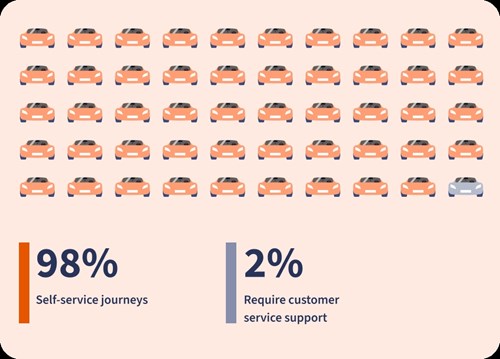
“The shift was also reflected in how independently customers could complete their parking journey. During the reporting period, we saw that approximately 98% of customer journeys were completed through self-service channels without direct customer service interaction” explains Hafsteinsson.
Customer feedback also shifted dramatically following the move to free-flow parking:
- “A big improvement - now you can drive straight in and out.”
- “Very happy that license plates are being read, so there’s no hassle anymore.”
- “The new system where you don’t need a card or ticket is exceptionally convenient.”
- “Really happy with your new system. Great experience now.”
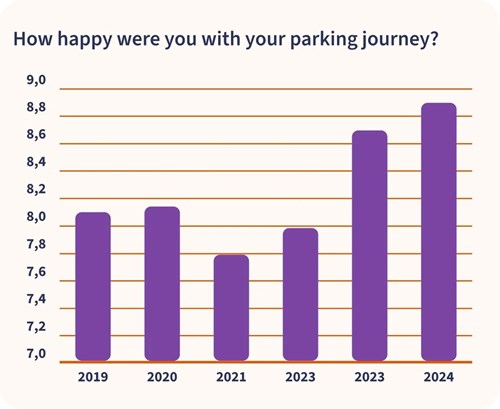
Across the majority of parking areas, the transition to a barrier free parking operation eliminated the need for tickets and QR code scanning, significantly reducing friction for both drivers and airport operations.
For airport passengers already managing flights, luggage and time pressure, simplifying parking became an important contributor to the overall travel experience.
Optimising Traffic Flow with Kiss & Goodbye
The implementation also enabled Isavia to improve traffic flow in the airport’s “Kiss & Goodbye” area. By combining free-flow parking with updated signage and operational rules, KEF Airport significantly improved curbside turnover and reduced unnecessary long stays.
“The impact was particularly visible in the airport’s Kiss & Goodbye area, where compliance with the five-minute free parking period increased from 82.2% to 95.6%, contributing to improved traffic flow and curbside availability”, says Gunnar Ingi Hafsteinsson.
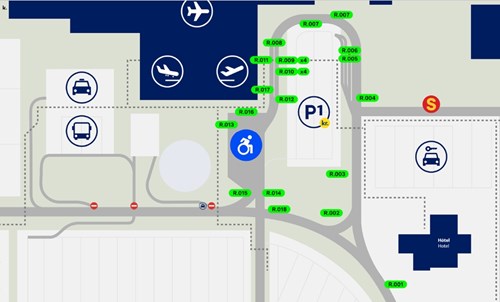
Without barriers, vehicles moved through the area faster and more naturally, helping reduce congestion during busy airport periods.
Smarter Operations Through Better Data
The transition to ANPR-based parking management has given KEF Airport greater visibility and control over its parking operations. With more reliable data on vehicle movements, parking utilisation and traffic patterns, Isavia can make better-informed decisions about capacity, resources and day-to-day operations.
Combined with automated processes and digital integrations, the new system has reduced the need for manual intervention and simplified parking management across the airport. This allows the team to focus more on operational improvements and delivering a better customer experience.
Looking Ahead
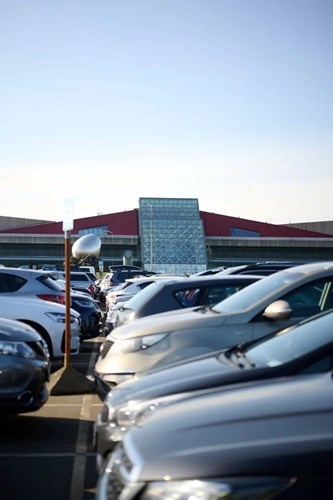 The modernisation of parking operations at KEF Airport is still evolving. Isavia is currently implementing AI-based revenue management capabilities to further optimise pricing, forecasting and operational planning. At the same time, the airport continues expanding premium parking services focused on convenience, speed and customer experience.
The ambition is clear; to create a seamless digital parking journey from booking to exit, while allowing technology to support airport operations more efficiently behind the scenes.
A Modern Approach to Airport Parking
For Isavia, the transition to predominantly free flow parking was not simply about reducing the number of barriers. It was about removing operational friction.
By combining ANPR technology, digital parking management and operational data, KEF Airport has transformed parking from a hardware-heavy operation into a more scalable, customer-friendly and future-ready mobility service.
As airport traffic continues to grow across Europe, the experience from Iceland demonstrates how modern parking infrastructure can improve both operational performance and passenger experience at scale.
About Autopay Technologies
 Autopay Technologies is transforming the parking industry by developing the world's leading parking management system for parking operators and landowners while also offering a top-tier mobility business platform. We are the leading provider of barrier-free parking solutions in the Nordics.
By choosing Autopay, you are choosing a future of endless possibilities and innovations. Our community of Autopay Operators are not just clients; they are pioneers in the digital revolution of parking. Feel free to reach out, ask questions, or start a conversation.









Comments
There are no comments yet for this item
Join the discussion