

CSL Group: Fire Risks Posed by EVs to Buildings & Car Parks - Safety Measures and Mitigation Strategies
A Comprehensive Analysis
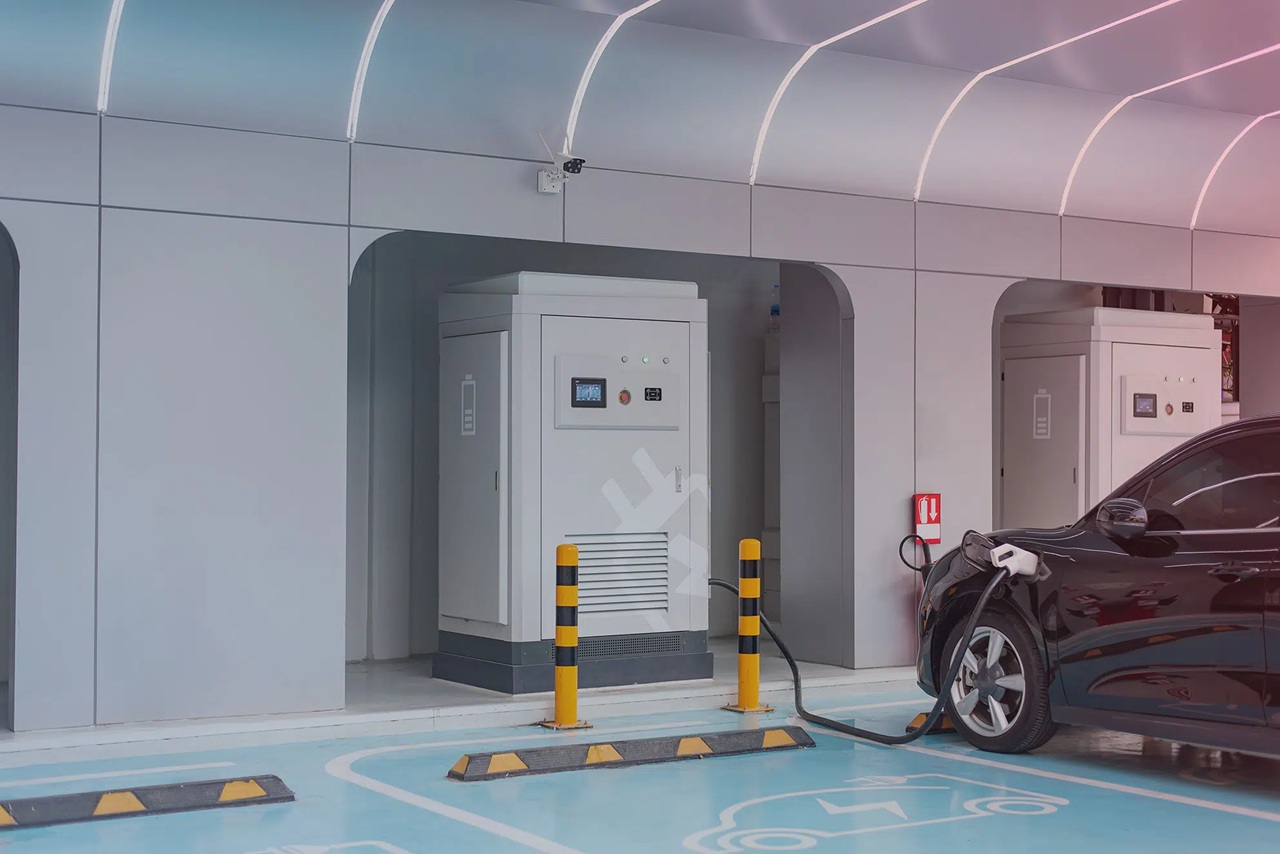
When planning EV charging systems or accommodating various vehicle types in car parks, it is important to understand how the new paradigm affects risk strategies, preventative measures and responses.
For example:
Electrical Risks Mitigation
- Controlled charging strategies, grid integration, and dedicated circuits reduce voltage deviations and transformer overloads.
- Coordination with DSOs and TSOs is vital for large-scale deployments to balance energy needs.
Structural Risks
- Structural assessments are crucial, especially in older car parks retrofitted with charging stations that might increase the load (also understanding that EVs tend to be heavier than ICE vehicles due to the battery weight).
- Concentrated battery arrays that are there to supplement and supply EV charging equipment can also increase floor loads and may require reinforcement measures.
Environmental and Chemical Risks
- Battery fires release toxic substances and their containment is an important aspect of safety.
- Ventilation design and spill containment measures are therefore also essential to prevent build-up of gases and contamination of water supplies in the vicinity.
Cybersecurity Measures
- Smart charging systems require robust cybersecurity to prevent unauthorised access or manipulation that could cause overloads or disable safety systems.
Emergency Preparedness
- Regular drills, training for first responders, and clear incident management protocols can help improve readiness for EV fire scenarios.
- Inter-agency coordination is critical for effective response.
It is also important to understand that an effective and onsite strategy should alerts begin to be raised is put in place. It is key that users and employees are not put at risk in attempts to resolve or contain fires that might be emerging or taking hold.
Emergency Response Planning
Despite the dangers, comprehensive emergency response strategies are crucial for mitigating the risks of EV fires in buildings and car parks.
These strategies should include:
- Providing a real time, connected rapid detection system for thermal runaway in vehicles. For example, Gas detection systems and thermal imaging cameras are crucial for spotting BEV fires early:
- Thermal Imaging Cameras: These cameras detect temperature differences, enabling the identification of overheating batteries. They provide an opportunity to cool the battery or isolate the vehicle before thermal runaway occurs. However, they require direct visual contact to be effective.
- Gas Detection Systems: Gas detection systems can identify gas emissions before combustion begins, providing an early warning of potential fire hazards. This allows for preventive measures such as venting gases or activating fire suppression systems. It is vital that these systems are connected to alarm systems to ensure rapid alert and response.
- A comprehensive and compliant, fully networked and secure EV charging infrastructure that can communicate warning signs at a very early stage.
- Where appropriate, early detection enables proactive measures such as cooling the battery, isolating the vehicle, or activating fire suppression systems to prevent the progression to thermal runaway and subsequent fire.
- Again, where appropriate, early intervention can prevent the rapid spread of fire caused by radiant heat feedback and ceiling jets, which can ignite nearby combustibles and penetrate passenger compartments. Ensuring early detection and intervention also reduces the risk of re-ignition, which is common in BEV fires due to residual heat and chemical reactions within the battery cells.
- It is crucial to ensure that safety-first protocols and measures are in place to deal with thermal runaway once it is detected.
- Ensuring on-site hydrants are readily accessible for fire suppression.
- Maintaining clear access for fire appliances to reach affected vehicles.
- Developing detailed incident response plans tailored to EV battery fires.
- Implementing water runoff management systems to contain contaminated water.
Compliance with Standards
Adherence to relevant safety standards is essential for minimising the risks associated with EV charging infrastructure. For example, mandating the installation of isolator switches within two meters of charging units and the use of protective devices like Residual Current Devices (RCDs) and circuit breakers are generally recommended. These measures help prevent electrocution and ensure automatic disconnection in case of faults.
EV Safe Charging Systems
Safer charging systems are designed to enhance safety during EV charging. For example, safer charging system incorporates various features to monitor charging conditions, detect potential anomalies, and automatically disconnect the power supply if a fault is detected.
Emergency Responder Training
Specialised training for emergency responders is paramount for effectively managing EV battery fires. Firefighters and responders need to be equipped with the knowledge and skills to:
- Identify the specific risks associated with EV fires.
- Safely approach and assess the situation.
- Use appropriate suppression techniques, including the application of large volumes of water.
- Manage toxic emissions and prevent environmental contamination.
- Mitigate the risk of re-ignition.
For example, EV fire responder training programs offer structured training levels designed to enhance the knowledge and skills of emergency responders in managing EV incidents.
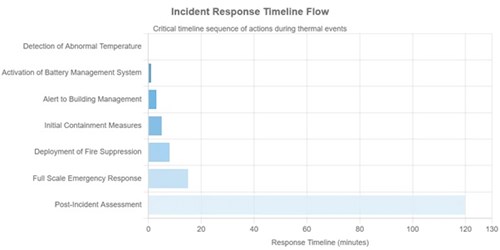
Figure: Illustration of typical time responses availability (for illustrative purposes only):
The Challenges for Rapid Charging Infrastructure

Further Recommendations for Enhancing Safety in Buildings and Car Parks
Enhanced Safety Measures in Car Parks
Buildings and car parks accommodating EVs should implement enhanced safety measures to minimise fire risks:
- Use fire-resistant construction materials to contain fires and prevent structural damage.
- Install adequate ventilation systems to disperse toxic fumes and prevent the build-up of flammable gases.
- Provide clear signage indicating the location of EV charging stations and emergency procedures.
- Implement fire detection and suppression systems specifically designed for EV battery fires: Early warning is critical, so systems such as heat detection cameras and gas warning systems that can detect problems are essential measures.
Further recommendations include adopting advanced Battery Management Systems (BMS) with real-time monitoring, ensuring full compliance with evolving national and European standards, and prioritising cybersecurity integration in smart charging networks.
Charging Infrastructure Compliance
Ensure that all EV charging units comply with relevant safety standards and regulations, including:
- Proper installation by qualified electricians.
- Regular inspections and maintenance.
- Use of certified charging equipment with built-in safety features.
- A fully connected and secure monitoring system of EV chargers and vehicle systems be in place.
Emergency Responder Preparedness
Provide specialised training and equipment for emergency responders to effectively manage EV battery fires, including:
- Access to large volumes of water for cooling and suppression.
- Appropriate PPE for protection against toxic emissions and electrocution hazards.
- Specialised tools for disconnecting high-voltage cables.
Public Awareness and Education
Increase public awareness about the risks and safety measures associated with EV fires through educational campaigns and informational materials can help mitigate or detect fires. This includes:
- Providing guidance on safe charging practices.
- Educating EV owners on the warning signs of battery issues.
- Promoting responsible EV ownership and maintenance.
Allow Battery to Burn Out (When Safe to Do So)
In certain situations, if the location and time permit, allowing the battery to burn out under controlled conditions may be the safest approach to minimise risks, while being mindful of potential reignition. This should only be considered when the fire is contained, and there is no immediate threat to life or property.
Conclusion
While electric vehicles offer numerous benefits, including reduced emissions and enhanced energy efficiency, the potential fire risks they (combined with ICE and Hybrid vehicles) pose to buildings and car parks must be assessed to protect the safety of users, property, and vehicle assets. This is as although the risk of fires caused by EVs is small, the consequential action of fires started by other vehicles where EVs are present can create new safety risks.:
- Comprehensive risk management must address not only fire hazards but also electrical, structural, environmental, and cyber risks.
- Understanding these risks and implementing appropriate mitigation strategies is essential for the safe integration of EVs into parking and storage infrastructure.
- By focusing on early detection methods, enhanced safety measures, compliance with standards, emergency responder preparedness, and public awareness, we can help minimise potential damage and ensure the safety of buildings, car parks, and their occupants.
- As this is an ongoing and emerging field, continuous research, regulatory updates, and stakeholder training are essential to ensure safe urban integration of electric mobility in major buildings.
Continuous research, development, and collaboration among automakers, regulatory agencies, and emergency responders are therefore crucial to staying ahead of the emerging challenges discussed and creating a safer future for electric mobility as we move forward.
The Future of Construction: Revolutionising Sustainability with Critical IoT Connectivity
About CSL Group
CSL was founded by Simon Banks in 1996, as a UK alarm signalling provider. Today, we have over 2 million managed connections supporting mission-critical IoT applications across Europe, and we are continuing to grow and innovate.
We connect, manage and secure the Internet of Things. The world of Critical Connectivity is ever changing. We're constantly developing, evolving and transforming our platforms and services to bring our customers more powerful connected solutions.
















Comments
There are no comments yet for this item
Join the discussion