

Urbiotica: Compliance in Loading Bays - How Technology Helps Cities Stay Organised and Reduce Pollution
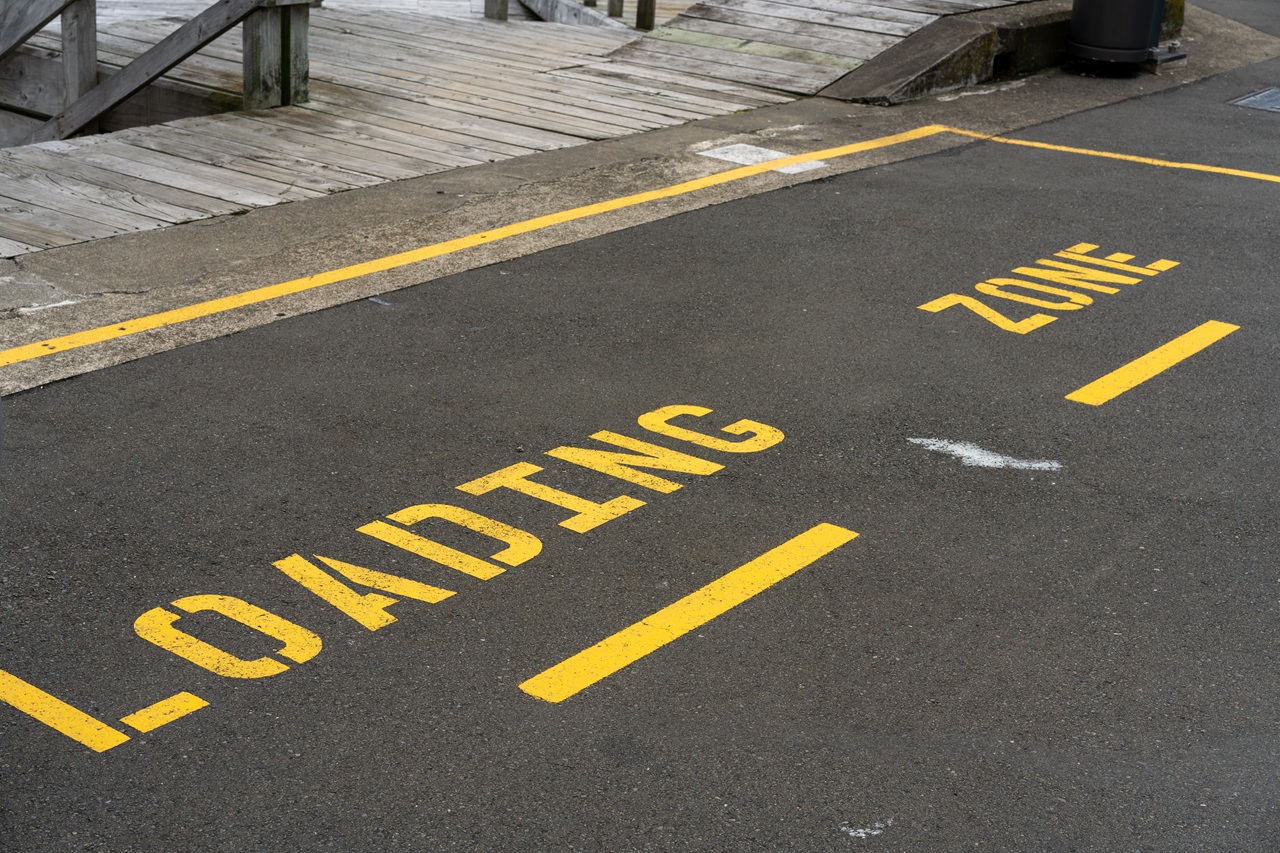
In today’s urban environment, one of the main concerns for mobility managers is the control of loading bays. What once seemed a minor aspect of public space has now become a key factor in the functioning of cities.
The growing pressure on these areas — driven by the boom in e-commerce and the misuse of parking spaces — has led to congestion, higher emissions, and widespread non-compliance with regulations. The economic impact is also significant, ranging from millions lost in productivity to a notable reduction in public revenue.
The challenge of managing loading bays
- Congestion and disorder:
The rise in delivery vehicles, combined with a lack of control, has turned many loading bays into points of obstruction. Double parking has become a common practice when space is unavailable, creating traffic jams that affect pedestrians, cyclists, and drivers alike. This directly undermines road safety objectives such as those promoted by Vision Zero initiatives. - Pollution:
Delivery drivers circling the block in search of a parking spot not only waste time but also increase emissions. The result is poorer air quality and a direct impact on public health. - Improper use:
Loading bays are often occupied by vehicles unrelated to logistics operations. This misuse deprives those who genuinely need the space and affects businesses and residents who rely on timely deliveries of essential goods such as food or medicines. - Hidden costs:
The inefficient use of these areas leads to less visible but equally serious economic losses. In the United States, it is estimated that each delivery driver loses around $5,000 per year in unproductive time searching for parking. Similarly, motorists incur an additional $345 annually due to the consequences of double parking — a figure that multiplies in large cities.
Technological solutions for efficient management
City authorities and mobility managers are increasingly turning to technology to tackle these challenges:
- Smart Parking systems:
Real-time analysis of loading bay usage enables dynamic allocation of spaces and provides instant information to drivers about availability. - Automated enforcement:
With the help of sensors and cameras, it is now possible to automatically detect unauthorised parking or overstays, apply fines efficiently, and ensure greater compliance with local regulations. - Usage pattern analysis:
The data collected provides valuable insights into demand, helping cities to relocate loading bays strategically, reduce saturation, and improve mobility in critical areas. - Delivery management platforms:
These tools enable more orderly delivery scheduling, preventing excessive vehicle concentration during the same time periods. - Promotion of sustainable mobility:
Encouraging the use of electric or low-emission fleets in these areas is becoming a key measure to reduce the environmental impact of last-mile logistics. - Awareness campaigns:
Cities are also leveraging digital channels and smart signage to raise awareness among businesses and drivers about the importance of compliance and the consequences of violations.
A new approach to urban management
The adoption of these technological solutions paves the way for cleaner, more organised, and more efficient cities. The benefits are numerous:
- Reduced traffic congestion and air pollution.
- More efficient use of public space and improved mobility.
- Higher regulatory compliance with fewer infringements and unauthorised uses.
- More efficient deliveries with lower costs and shorter waiting times.
- A direct positive impact on the local economy and citizens’ quality of life.
Ultimately, smart management of loading bays is not just an operational necessity but a cornerstone of sustainable urban development. Integrating technology in this field transforms a traditional problem area into a driver for more liveable, efficient, and competitive cities.
About Urbiotica
Urbiotica was born in 2008 with the mission to bring the most innovative technology to society through urban environments. Its vision is to help cities become more manageable, efficient, and sustainable, improving the quality of life of its citizens.
At Urbiotica, we focus on developing reliable IoT technologies that enhance urban mobility. Our sensors are rigorously tested to deliver high performance and accuracy in parking space management, ensuring efficient and dependable solutions.
















Comments
There are no comments yet for this item
Join the discussion